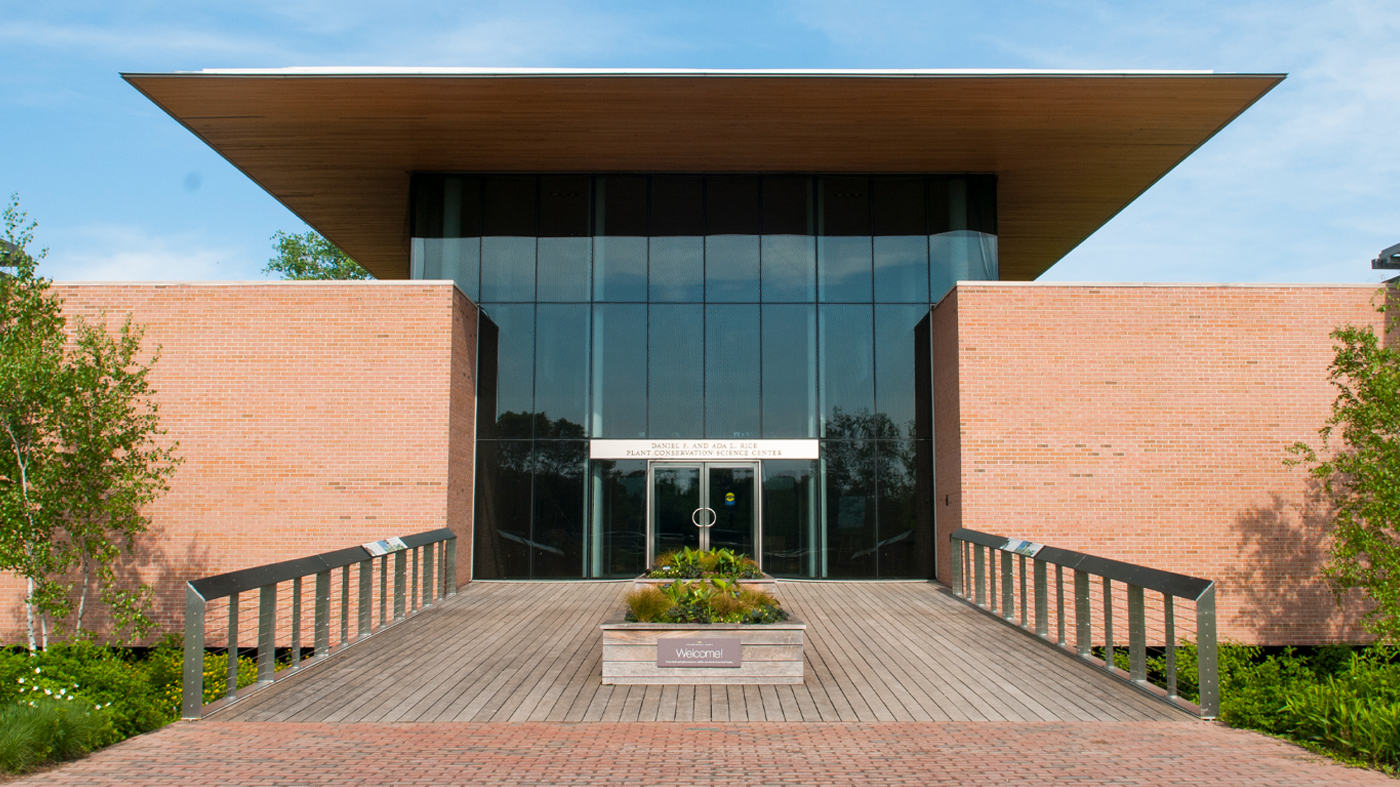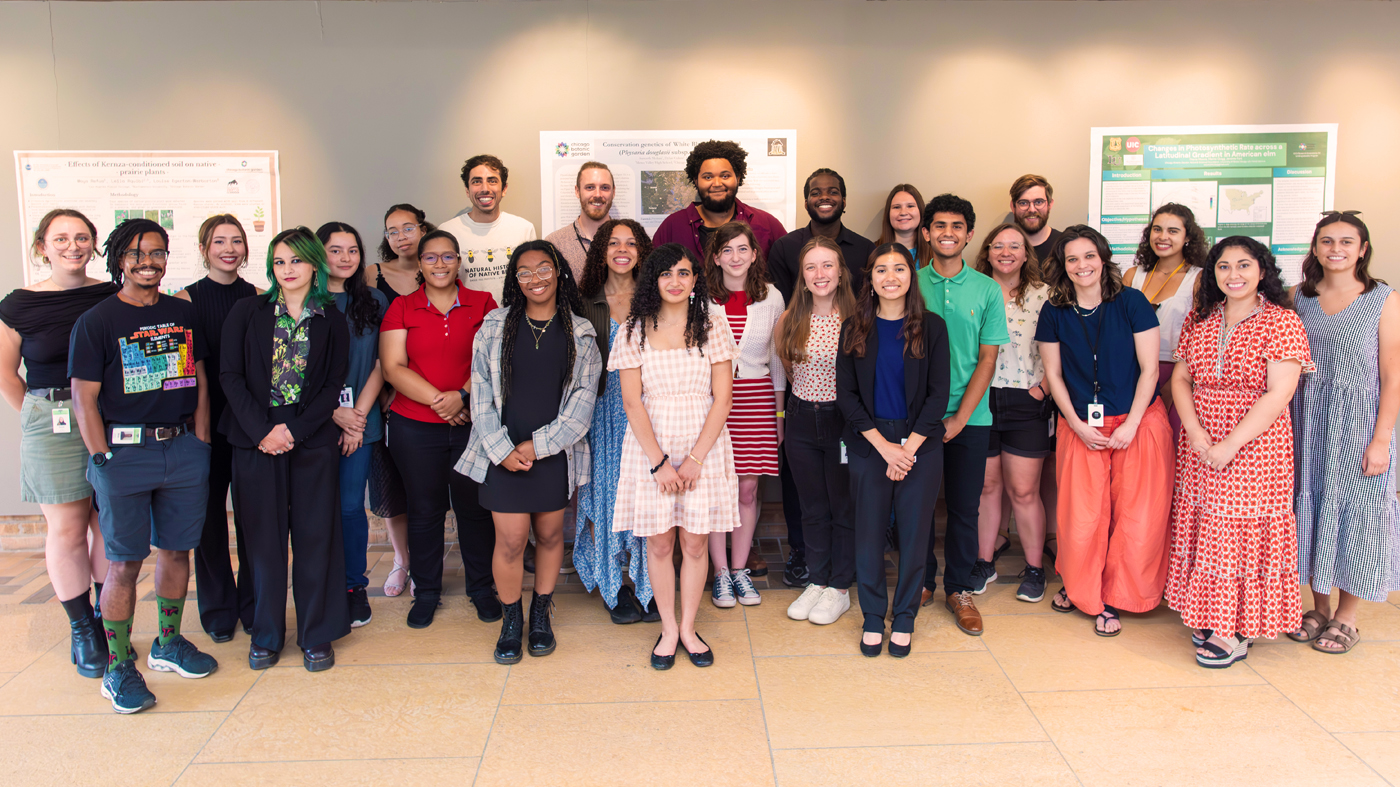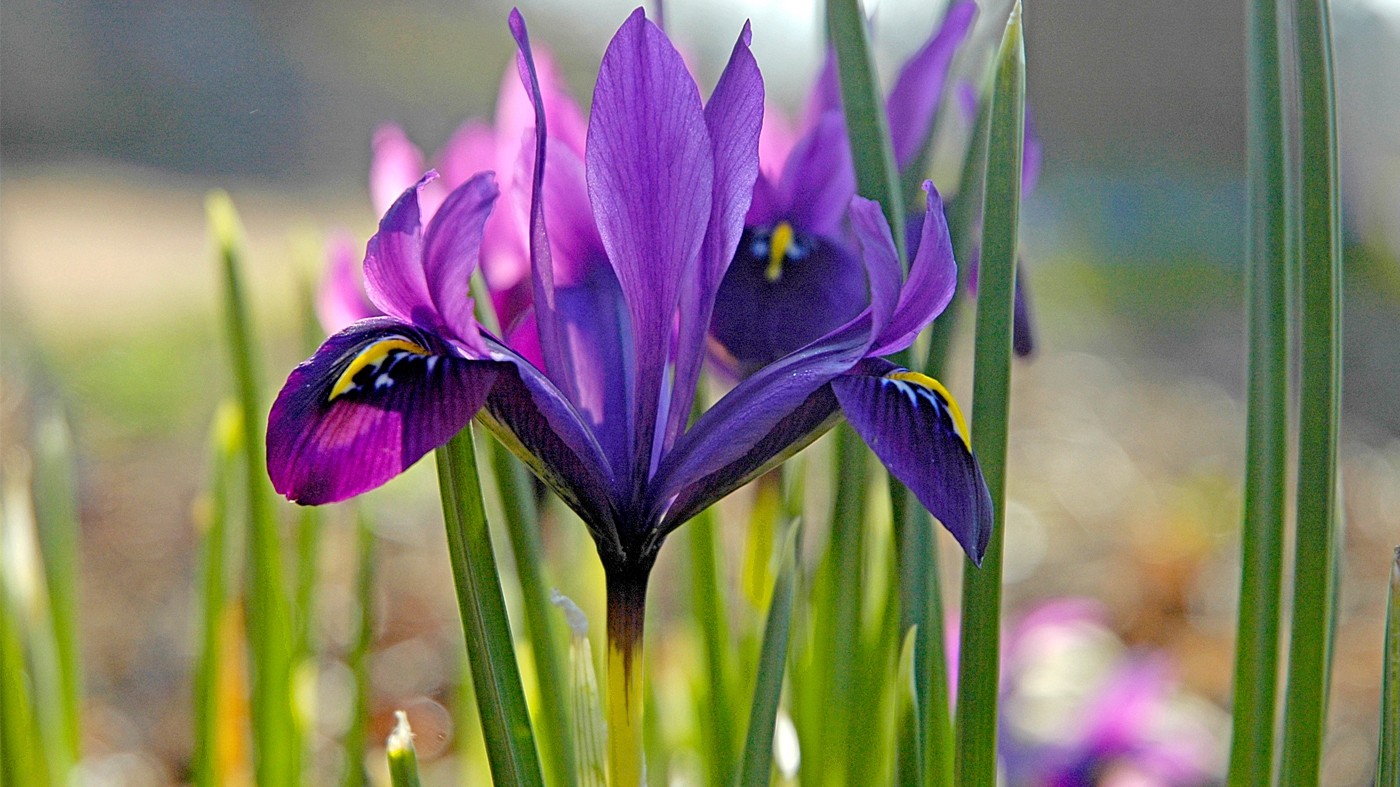
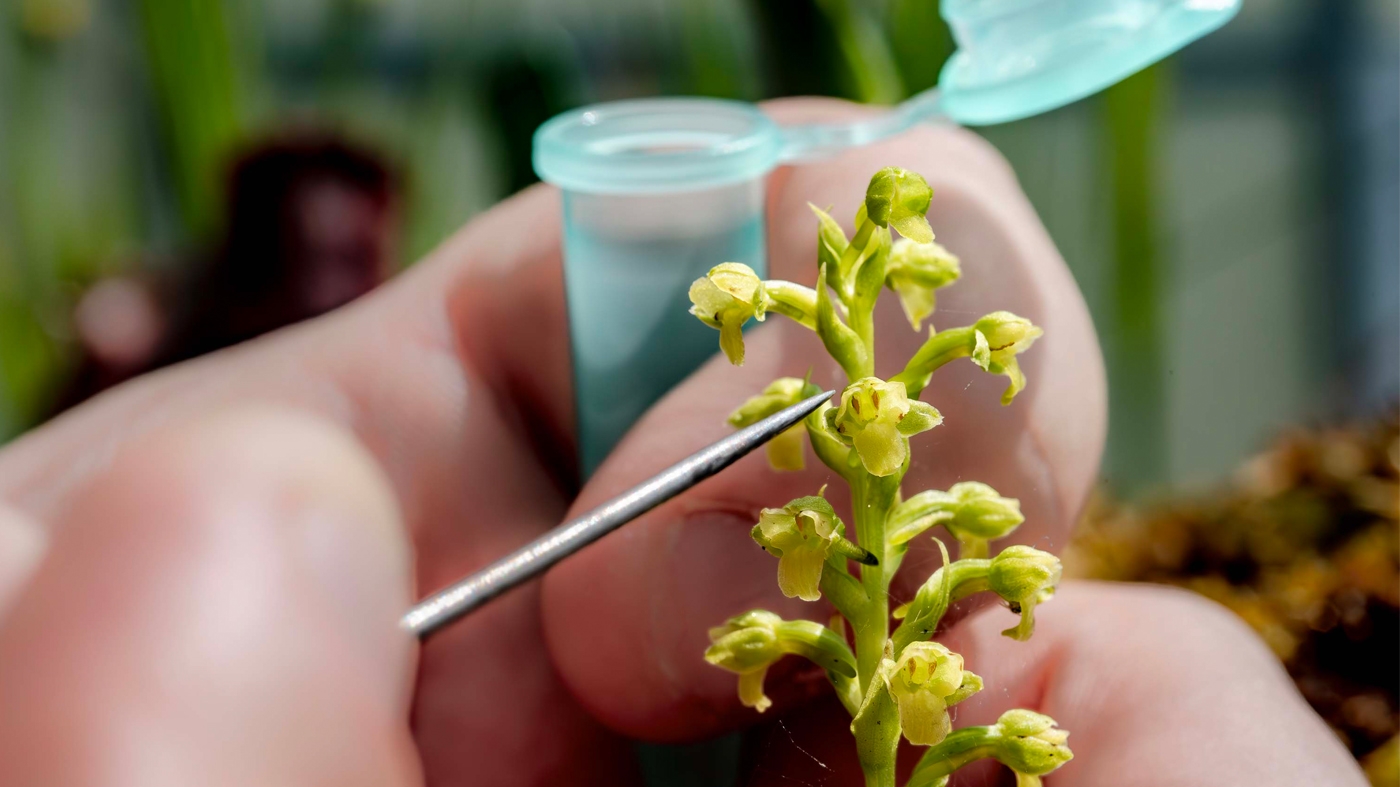

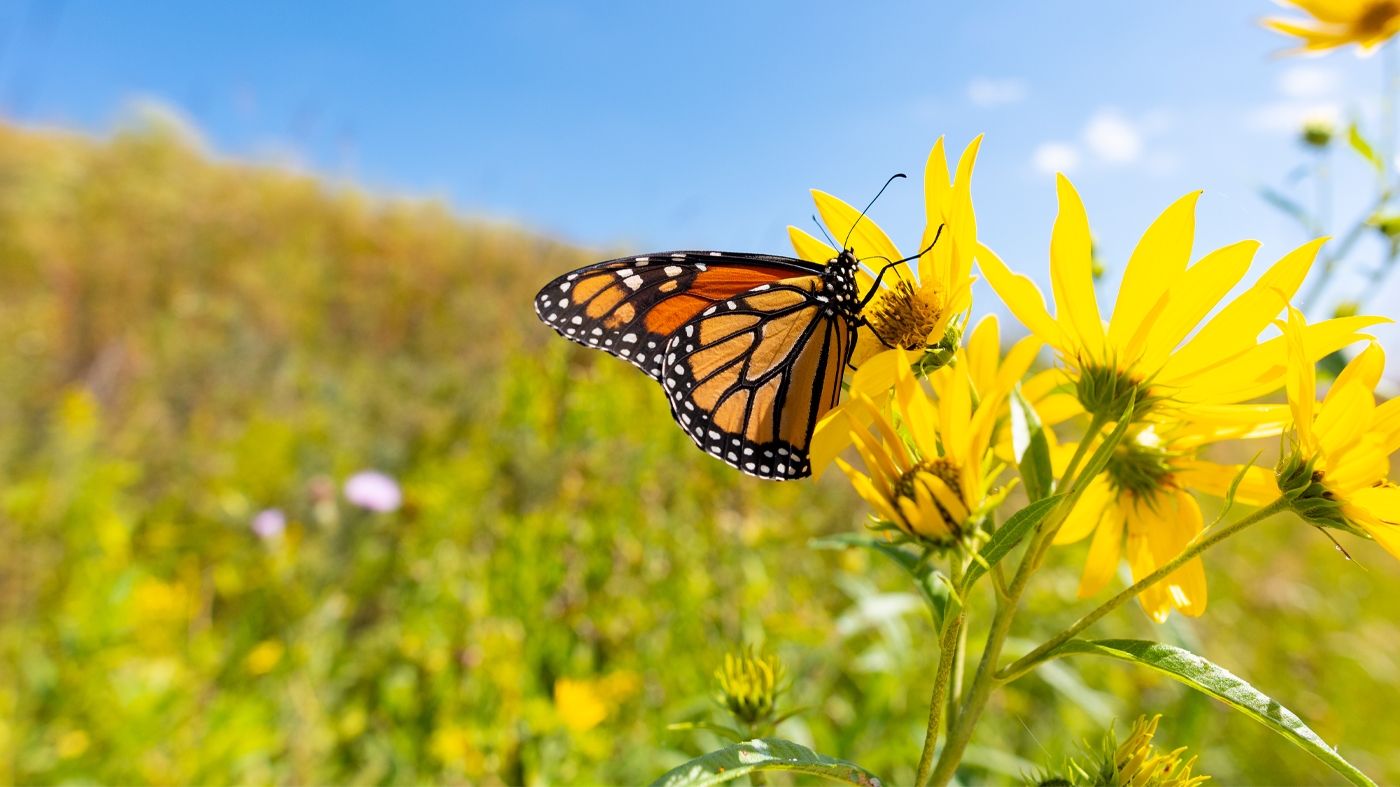
What makes a plant population strong? Which factors threaten healthy plant species? Scientists at the Chicago Botanic Garden are looking at the many variables that affect plant populations, including habitat fragmentation, genetic diversity, and changes in pollinators, to name just a few. Rare and endangered plant species present an opportunity to assess and address threats, for many have lost habitat, are being overrun by nonnative plants, and face the effects of climate change.
How Population Biology Benefits You—and the World
By working to understand why plant populations thrive or languish, Garden scientists make discoveries that resonate well beyond the Midwest. For example, factors that impact the genetic diversity of plants and ultimately the long-term survivability of affected plant populations have a very real connection to our own plant-based lives—wherever we may live.
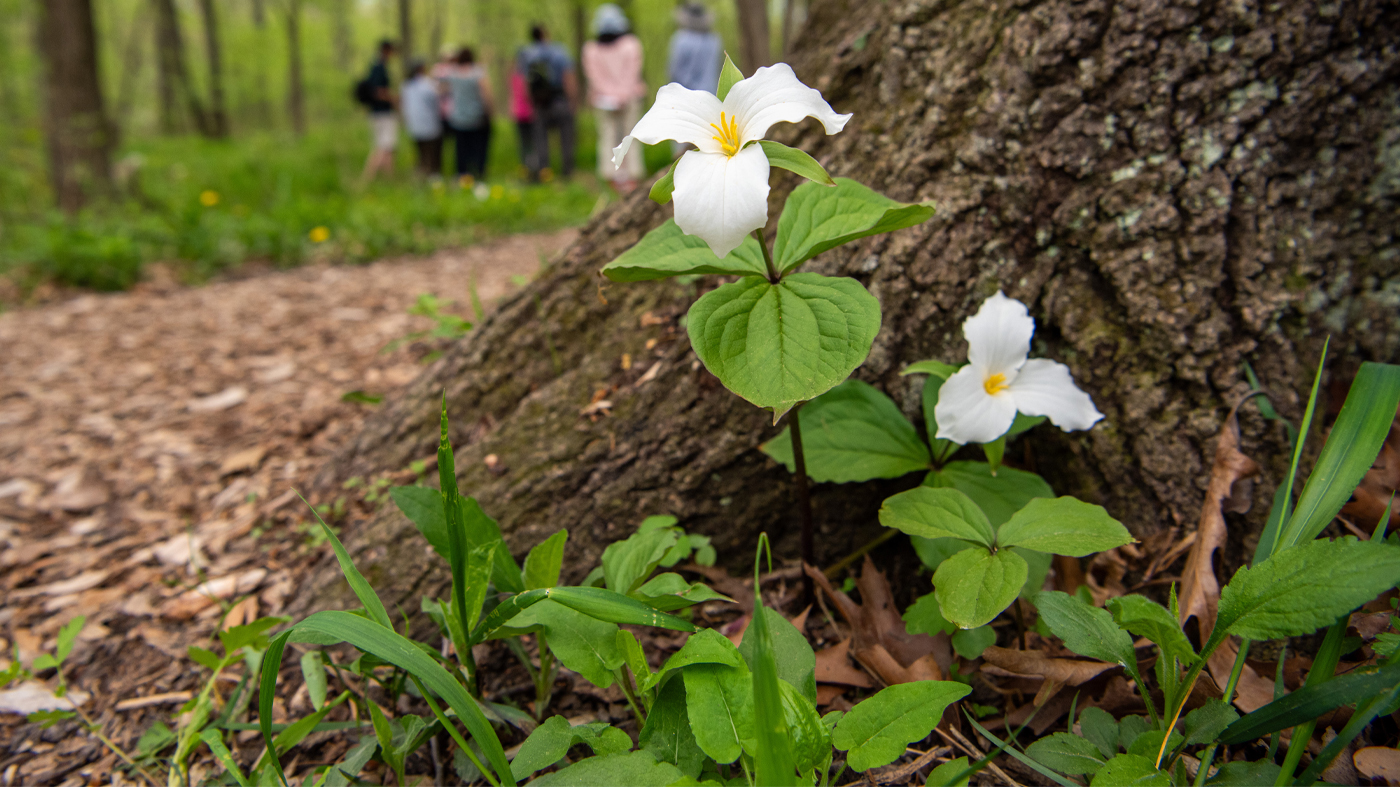
More than 2,500 species of native plants live in the greater Chicago region, 700 of which are now threatened or endangered. There are a number of reasons for this, but one of the biggest threats comes from invasive species, many of which thrive in the Midwest and pose a big problem to those plants most in need of protection.
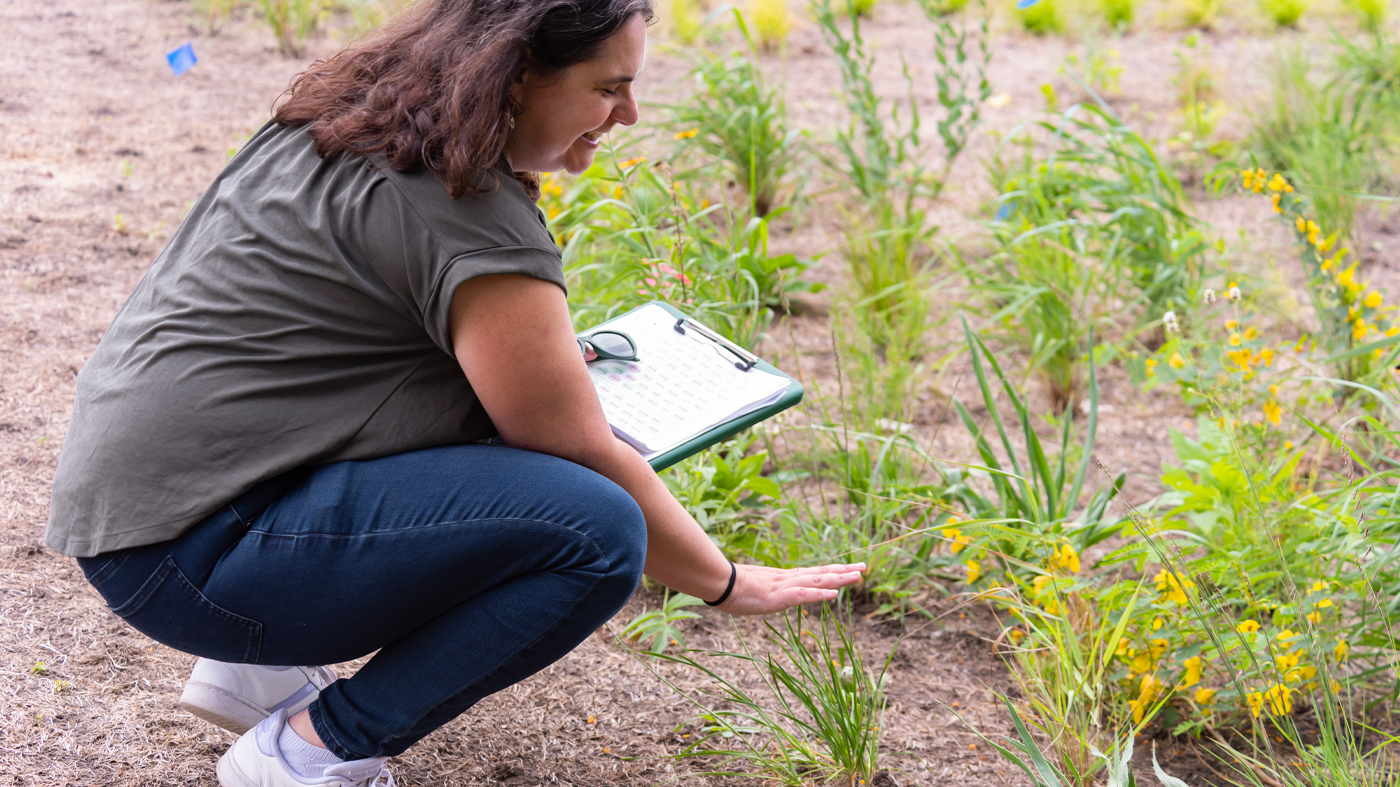
Plants of Concern is a Garden program led by Suzanne Masi in which a small army of volunteer citizen scientists monitors the region’s rarest plants, assesses trends in plant populations, and provides feedback on the effectiveness of different management practices. Chicago Botanic Garden volunteers also participate in Project BudBurst, a national citizen science effort to track how and when plants flower (phenology). In response to warmer temperatures, many plants are flowering earlier. This data helps Garden scientists understand how plants will respond to future climate changes.
Case Studies
Stuart Wagenius, Ph.D., is investigating ecological and evolutionary processes and how they interact in the same plant study system by focusing on a common native prairie plant, the narrow-leaved purple coneflower (Echinacea angustifolia), which grows in remnant populations.
Conservation botanist Pati Vitt, Ph.D., is a census taker for violets —specifically, a native violet called Viola conspersa that is threatened in Illinois. In the field, she and her interns crawl on the ground, counting flowers and measuring plants within defined areas; as a sleuth in the lab, she uses advanced technology to analyze genes. The V. conspersa study may have implications for how conservationists act on concerns about both individual species and a habitat as a whole.
Pitcher's thistle (Cirsium pitcheri), native to the dunes along Lake Michigan, is now classified as threatened not only in Illinois but also throughout the United States. The Garden has been working with The Morton Arboretum to restore this species for more than a decade. In addition, Garden scientists such as Kayri Havens, Ph.D., have conducted a genetic analysis of Pitcher's thistle populations in Indiana, Wisconsin, and Michigan.
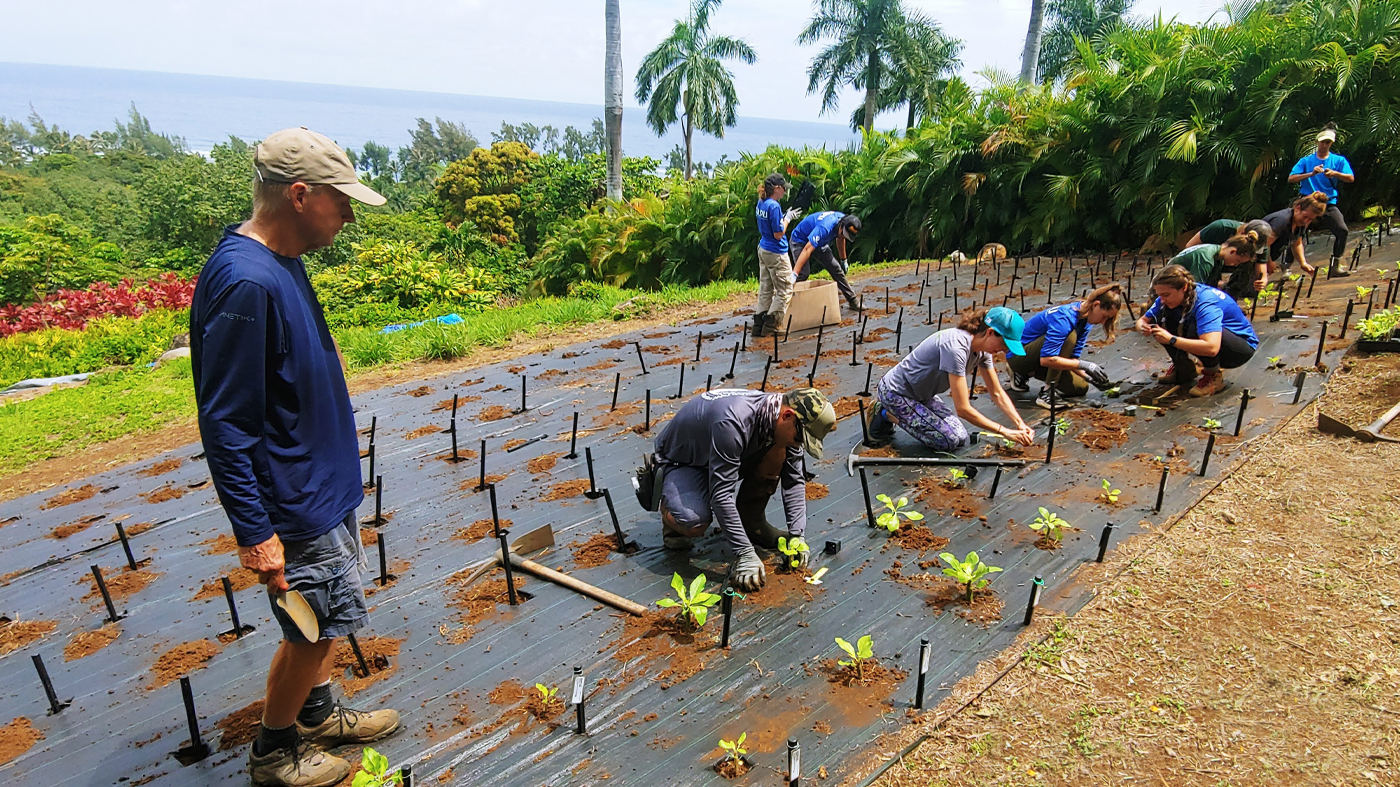
Prairie bush clover (Lespedeza leptostachya), a rare prairie plant that is 3 feet tall and very slender, survives in only a few locations within its narrow range across the Upper Midwest. Garden scientists led by Dr. Vitt are working to solve the puzzle of how to return this endangered plant to prairie ecosystems—and the key may be cows!
take action:
What can you do?

Change your actions:
There are many ways you can reduce your carbon footprint and thereby address the threat of climate change directly. You can also battle plant invaders mano a mano by identifying and eliminating them on your property. (Stay apprised of invasive plants by clicking here.) When you landscape, consider going native. For example, instead of landscaping with the invasive burning bush (Euonymous), plant Prairie Flame™ shining sumac (Rhus copallina var. latifolia 'Morton').
Change your community:
You can become a volunteer plant monitor with Plants of Concern or Project BudBurst, or support local volunteer stewardship activities that help remove invasive plants from natural areas.
in the laboratory
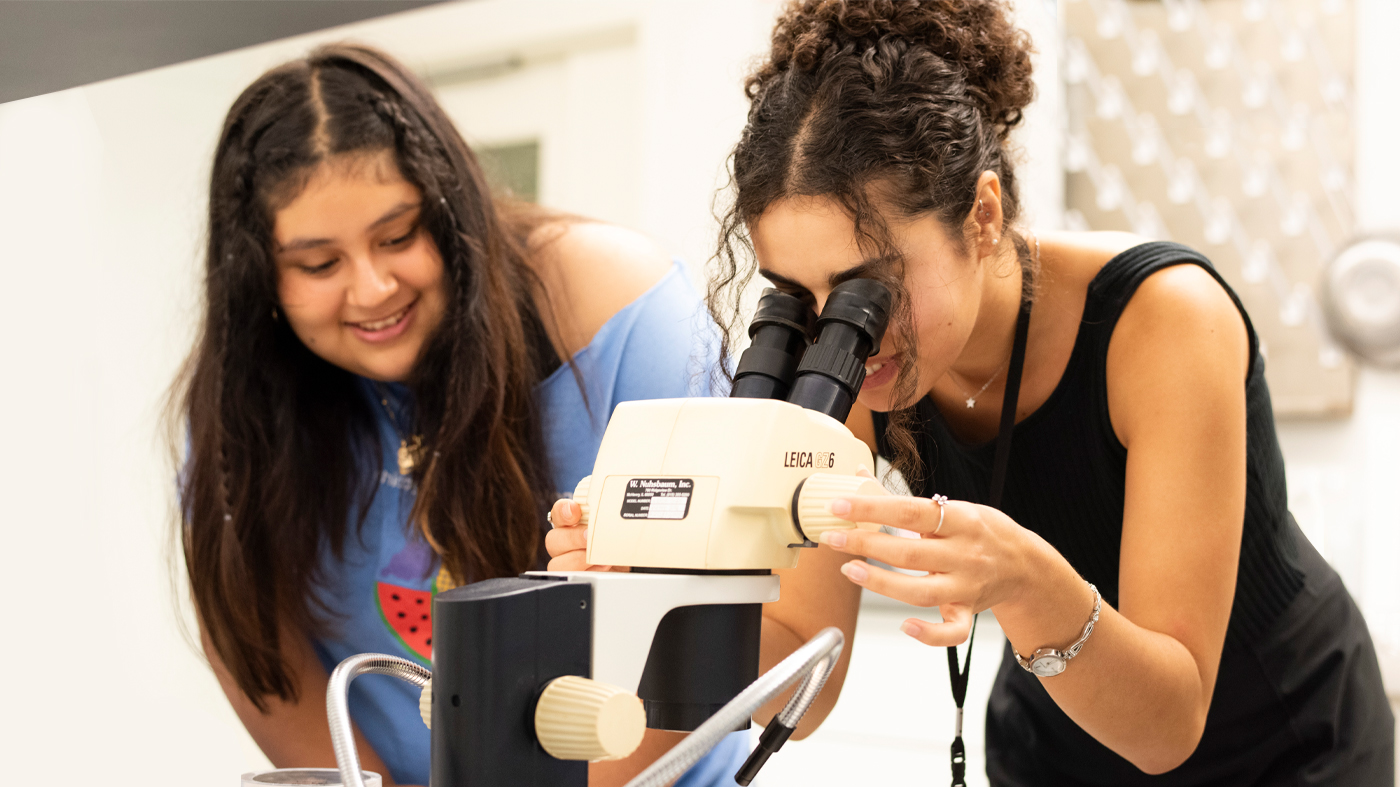
When scientists, interns, and graduate students in the Population Biology Laboratory examine factors affecting plant reproduction, they may conduct experiments the two Growth Chambers (one funded by the D & R Fund). The chambers are each approximately 10 feet by 10 feet and feature bottom-lit shelving for plants, temperature and humidity controls, and a watering system. One chamber can release carbon dioxide, enabling scientists to assess how future plants will likely respond to a planet with increased atmospheric levels of the gas. Plants may be in the growth chamber their entire life cycle—which may last from a few months to a couple of years—or they may be evaluated for six months before set out in the field for further study.
Staff Scientists
Kayri Havens, Ph.D.
Medard and Elizabeth Welch Director, Plant Science and Conservation
Daniel Larkin, Ph.D.
Conservation Scientist, Community Ecology
Suzanne Masi, M.A., Manager, Regional Floristics
Pati Vitt, Ph.D.
Conservation Scientist, Plant Demography
Manager, Seeds of Success
Stuart Wagenius, Ph.D.
Conservation Scientist
SIGN UP FOR GARDEN E-UPDATES • RSS FEEDS • DAILY OPEN HOURS
Chicago Botanic Garden • 1000 Lake Cook Road, Glencoe, IL 60022 • (847) 835-5440
© Copyright 1997-2009 Chicago Botanic Garden. All rights reserved. Credits | Privacy Policy
One of the green treasures of the Forest Preserve District of Cook County.
![]()