


Negaunee Institute
The Negaunee Institute is confronting our most urgent environmental challenges.
In the face of climate change and biodiversity loss, our dedicated team of scientists, ecologists, students, and volunteers is turning plant science into action.
Negaunee Institute
Plant Conservation
Science and Action
The Negaunee Institute is confronting our most urgent environmental challenges.
In the face of climate change and biodiversity loss, our dedicated team of scientists, ecologists, students, and volunteers is turning plant science into action.
Preventing Extinctions
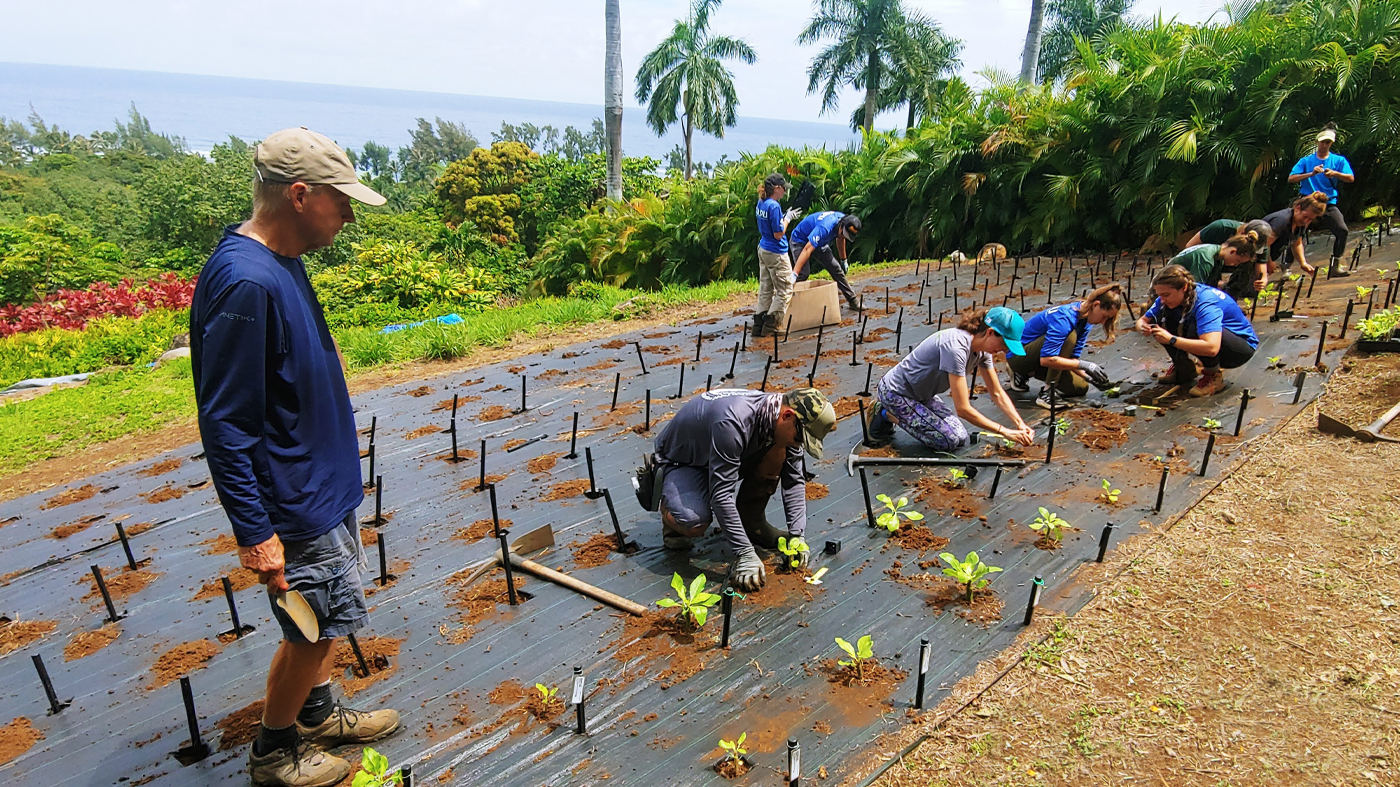
Plants provide us with food, medicine, and clean air and water, but as species disappear, so do the resources we depend on. To prevent extinctions, our scientists co-developed the plant studbook—a tool that tracks information about rare plants in collections around the world. When botanic gardens use studbooks to share data, they can maintain healthy collections and save the world’s rarest species.
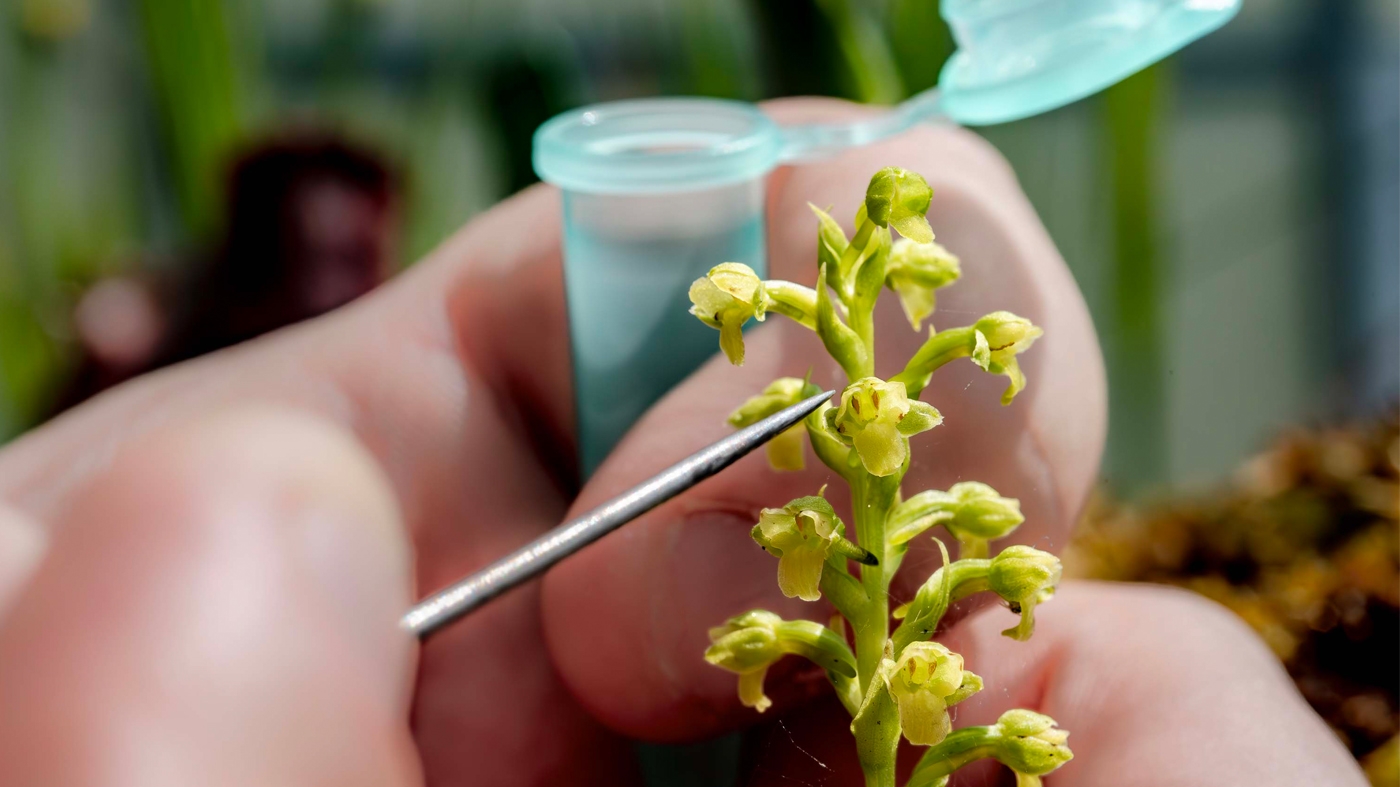
Our Seed Bank and Pollen Bank protect the plant diversity of the Midwest, preserving millions of seeds and pollen grains for conservation, habitat restoration, and research. Locally, our Plants of Concern program protects rare plants and their habitats in Illinois.
Reimagining Restoration
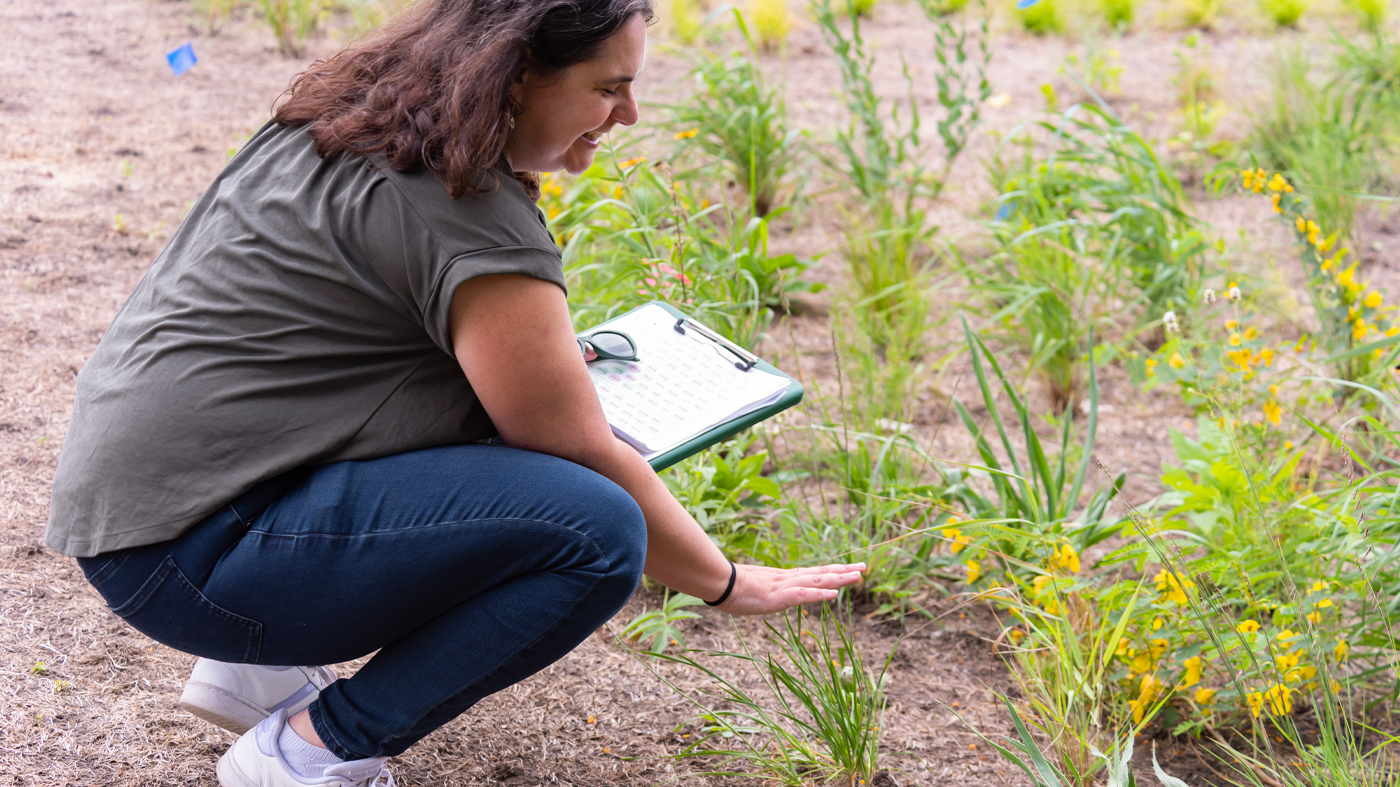
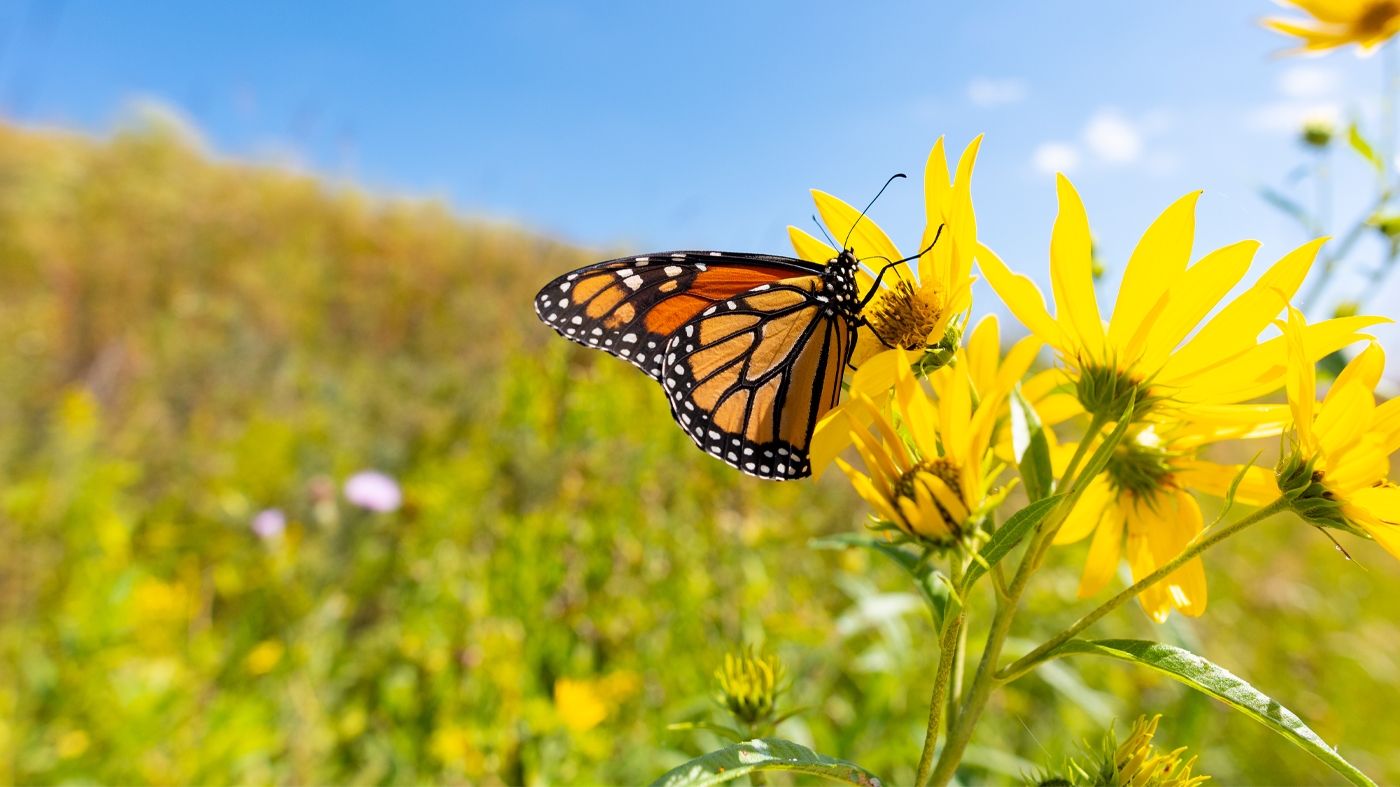
Our scientists work to heal habitats so native plants, animals, and people thrive together. We’re demonstrating how changes to traditional lawns can support pollinators and reduce stormwater runoff through our Rethinking Lawns program. Our Pollinators Living in Urban Gardens (PLUG) program is developing science-backed guidance for pollinator gardening. At the Garden, we manage more than 175 acres of prairie, woodland, and shoreline, and share important lessons from restoring these habitats.
Meeting the Need for Native Seed

Nationwide shortages of native seed slow down efforts to restore habitats, build green infrastructure, and grow urban gardens. The solution—producing more native seed adapted to the local conditions where it’s used—will come from creative collaborations.
We’re working with the Forest Preserves of Cook County, a coalition of Midwest native seed producers and users, and the U.S. federal government to help get the right native seed to the landscapes that need it.
Training the Next Generation
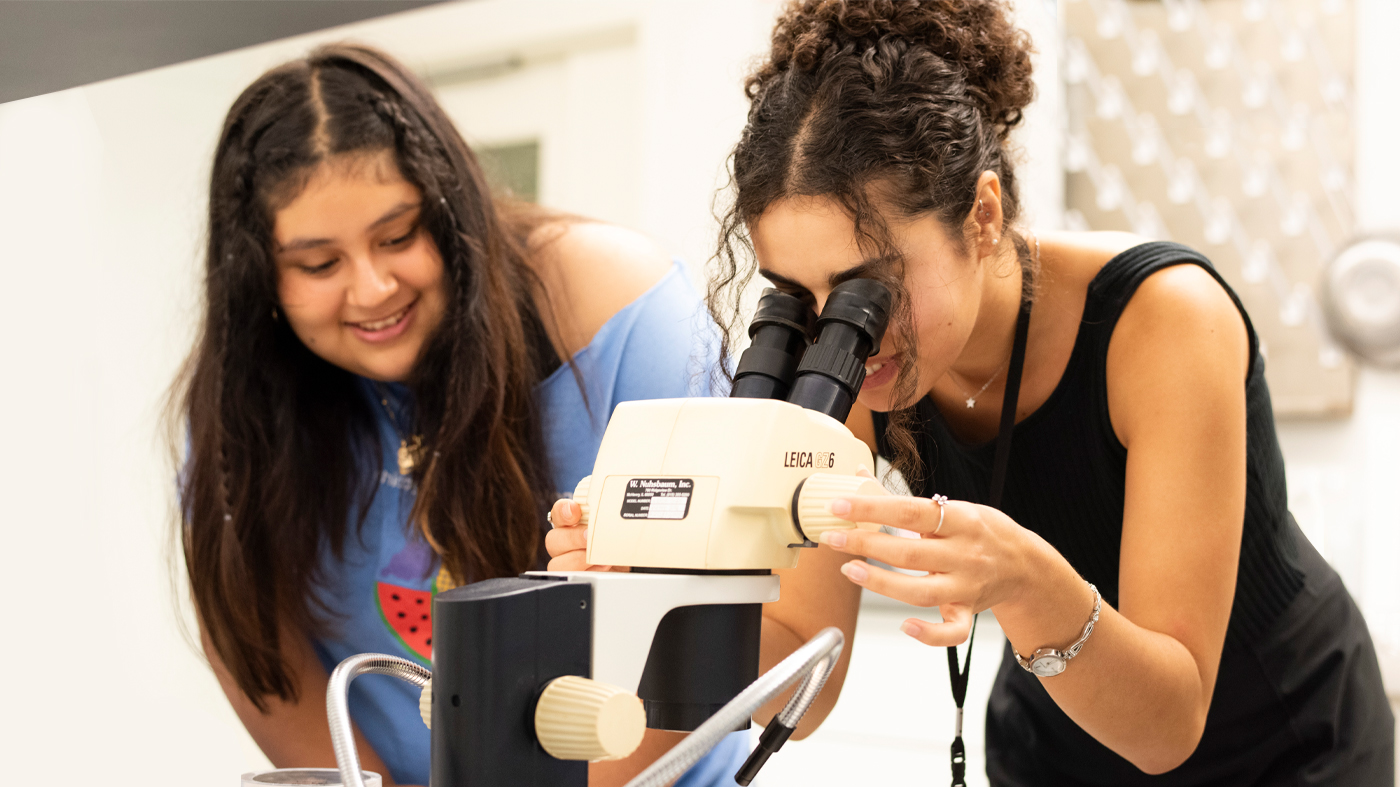
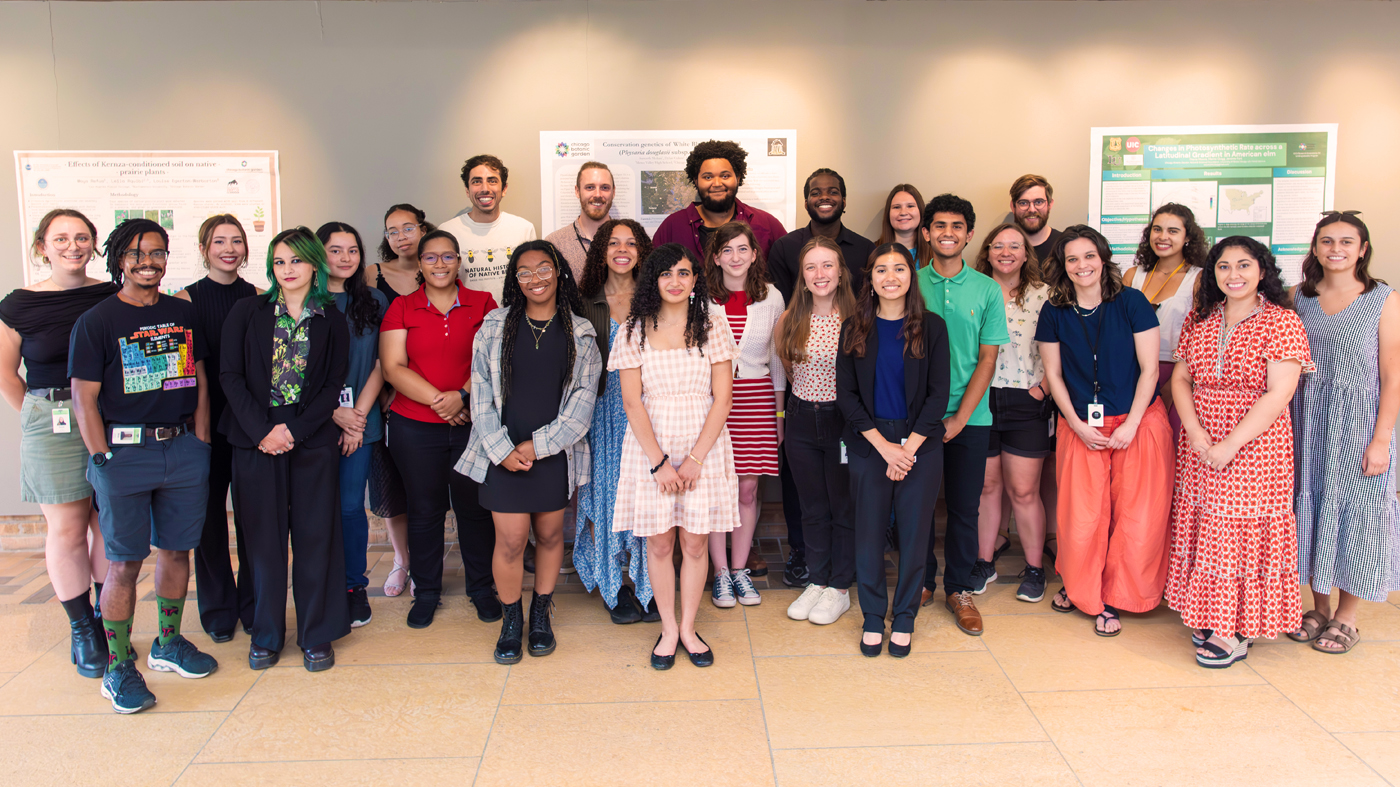
A sustainable future demands thousands of new plant scientists and habitat restoration experts. We’re sparking a passion for plants in middle and high school students, engaging college students in real-world research, offering hands-on training for conservation careers, and partnering with Northwestern University on an innovative graduate program.